Buy escape-room.eu ?
We are moving the project
escape-room.eu .
Are you interested in purchasing the domain
escape-room.eu ?
domain@kv-gmbh.de · 0541-91531010
Buy escape-room.eu ?
What are exciting books that contain elements of mystery, adventure, and thriller?
Some exciting books that contain elements of mystery, adventure, and thriller are "The Da Vinci Code" by Dan Brown, "Gone Girl" by Gillian Flynn, and "The Girl with the Dragon Tattoo" by Stieg Larsson. These books are filled with suspense, unexpected twists, and thrilling plotlines that keep readers on the edge of their seats. Each of these novels combines elements of mystery, adventure, and thriller to create captivating and engaging stories that are hard to put down. **
Why was the size of the Roman Empire a challenge for administration?
The size of the Roman Empire presented a challenge for administration because it was difficult to effectively govern such a vast territory with the limited communication and transportation technology available at the time. The empire's vastness made it hard to maintain control over distant provinces and ensure consistent enforcement of laws and policies. Additionally, the sheer size of the empire made it challenging to respond quickly to threats or rebellions in far-flung regions. This necessitated the development of a complex system of governance and administration to manage the diverse and expansive territories under Roman rule. **


Similar search terms for Roman
Top-Angebote
Products related to Roman:
-
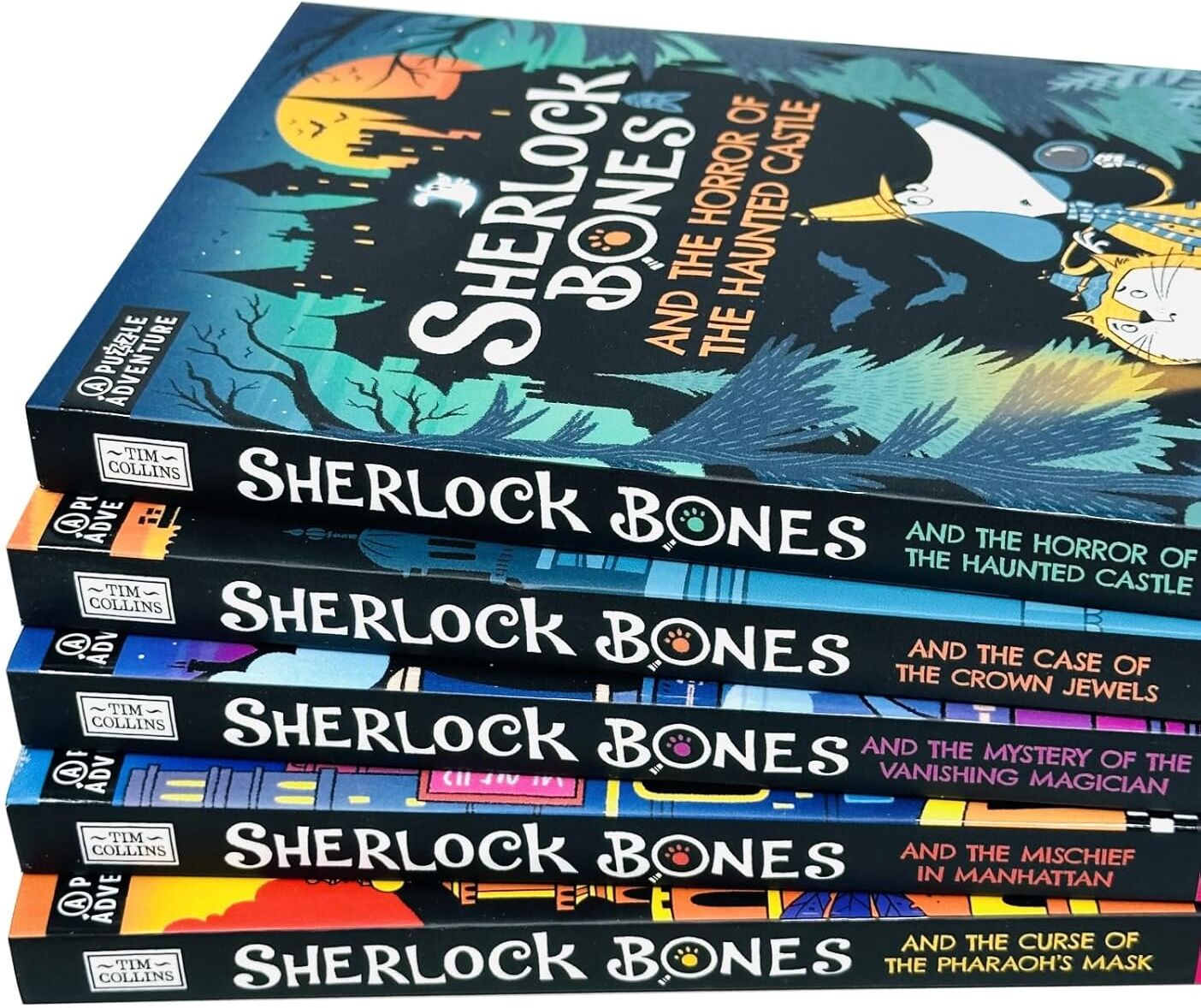
Buster Books Sherlock Bones Puzzle Quest 5 Books Set by Tim Collins, Illustrated by John Bigwood - Paperback - Ages 7-9 - Puzzle Mystery StoriesGet ready to solve the mystery with the Sherlock Bones Puzzle Quest 5 Books Collection Set by Tim Collins. This engaging series is perfect for young readers aged 7-9, who will become detectives-in-training as they follow the adventures of world-famous canine investigator Sherlock Bones and his sharp-witted feline sidekick Dr Jane Catson. The five-book set includes Sherlock Bones and the Case of the Crown Jewels, Sherlock Bones and the Mystery of the Vanishing Magician, Sherlock Bones and the Curse of the Pharaoh's Mask, Sherlock Bones and the Horror of the Haunted Castle, and Sherlock Bones and the Mischief in Manhattan. Each book is filled with over thirty interactive puzzles, including mazes, spot-the-difference, and silhouette matches, making this a genuinely interactive reading adventure that will keep children turning pages long past bedtime. The books are beautifully illustrated by John Bigwood and published by Buster Books.14,99 £*Shipping: 2,99 £Secure redirect to the provider
-
Kodotan sofa Basketweave Room Darkening Cordless Roman ShadeDescription The Basket Weave Room Darkening Roman Shade offers a simple and convenient update to your home decor. This ivory roman shade features a basket weave texture base fabric that creates a natural look and feel.154,99 $*Shipping: 0,00 $Secure redirect to the provider


-
Holy Roman Emperor
The title of Holy Roman Emperor was a title given to the ruler of the Holy Roman Empire, a political entity in Central Europe that existed from 962 to 1806. The Holy Roman Emperor was considered the secular ruler of the Christian world, with authority over a vast territory that included parts of modern-day Germany, Italy, and France. The position was elected by a group of powerful princes and bishops known as the Electoral College. The title of Holy Roman Emperor was eventually abolished in 1806 following the defeat of the Empire by Napoleon Bonaparte. **
-
'Roman-German Emperors'
The Roman-German Emperors were a series of Holy Roman Emperors who ruled over the Holy Roman Empire from the Middle Ages to the early modern period. They were considered the successors to the ancient Roman Emperors and sought to establish their authority over the territories of the former Western Roman Empire. The title of Roman-German Emperor was meant to signify their dual role as rulers of both the Roman and Germanic peoples. The most famous Roman-German Emperor was Charlemagne, who was crowned Emperor of the Romans by Pope Leo III in 800 AD. The title continued to be used by subsequent Holy Roman Emperors until the dissolution of the Holy Roman Empire in 1806. **
-
"Roman-German Emperors"
The term "Roman-German Emperors" refers to the Holy Roman Emperors, who were rulers of a political entity in Central Europe that existed from 962 to 1806. The title of Holy Roman Emperor was created in the 10th century by Otto I, King of Germany, and it symbolized the revival of the Roman Empire in the West. The Holy Roman Emperors were considered the successors of the ancient Roman Emperors and were elected by a group of German princes. The empire was a complex political entity that encompassed parts of modern-day Germany, Italy, and other European territories. **
-
Roman-German emperors
The term "Roman-German emperors" refers to the Holy Roman Emperors, who were rulers of the Holy Roman Empire from the Middle Ages to the early 19th century. These emperors were considered the successors to the rulers of the ancient Roman Empire and were elected by a group of German princes. The Holy Roman Emperors held significant political and religious power in Central Europe, although their authority was often challenged by regional rulers and the papacy. The title of Holy Roman Emperor was officially abolished in 1806 following the dissolution of the Holy Roman Empire. **


Holy Roman Emperors
The Holy Roman Emperors were rulers of the Holy Roman Empire, a complex political entity in central Europe that existed from 800 to 1806. They were elected by a group of powerful princes and bishops known as the Electoral College. The title of Holy Roman Emperor was considered to be the highest temporal authority in Europe, although the actual power of the emperors varied greatly throughout the history of the empire. Some of the most famous Holy Roman Emperors include Charlemagne, Otto the Great, and Charles V. **
Roman-German Emperors
The term "Roman-German Emperors" refers to the Holy Roman Emperors, who were rulers of the Holy Roman Empire from the Middle Ages until its dissolution in 1806. The title of Holy Roman Emperor was created in the 10th century and was held by various monarchs who claimed to be the successors of the ancient Roman emperors. The Holy Roman Emperors were elected by a group of German princes and were considered the highest secular authority in the Holy Roman Empire, which was a complex political entity that encompassed parts of modern-day Germany, Italy, and other European countries. **
Top-Angebote
Products related to Roman:
-
Uplifted Finds Cognitive Challenge Interactive Puzzle Station Cognitive Challenge Interactive Puzzle StationTransform mealtime into a stimulating mental workout with the CognitiveChallenge Puzzle Station, a highutility enrichment module engineered with progressivedifficulty logic. This professionalgrade feeder features a multichambered architecture that...119,97 $*Shipping: 0,00 $Secure redirect to the provider
-
Viper The Twyford Code by Janice Hallett - Award-Winning Crime Thriller - Paperback - Sunday Times Bestseller, Puzzle MysteryThe Twyford Code by Janice Hallett is a Sunday Times bestselling puzzle-thriller, crowned Crime and Thriller Book of the Year at the British Book Awards 2023. This ingenious mystery follows Steven Smith as he retraces a childhood discovery that changed his life forever. Told through a collection of transcribed audio files, it blends nostalgic children's-book intrigue with a razor-sharp modern investigation. The story begins with Steven Smith, a boy in a school for children with learning difficulties, who finds a battered copy of a novel by disgraced children's author Edith Twyford. The margins of the book are filled with strange, indecipherable annotations that fascinate Steven. He brings the book to his English teacher, Miss Iles, who becomes convinced the markings form a hidden code pointing to a long-buried secret. This is a must-read for fans of clever, code-cracking crime fiction and immersive book club discussions. Published by Viper, a division of Profile Books, this paperback edition features the ISBN 9781788165334.5,99 £*Shipping: 2,99 £Secure redirect to the provider
-
Buster Books Sherlock Bones Puzzle Quest 5 Books Set by Tim Collins, Illustrated by John Bigwood - Paperback - Ages 7-9 - Puzzle Mystery StoriesGet ready to solve the mystery with the Sherlock Bones Puzzle Quest 5 Books Collection Set by Tim Collins. This engaging series is perfect for young readers aged 7-9, who will become detectives-in-training as they follow the adventures of world-famous canine investigator Sherlock Bones and his sharp-witted feline sidekick Dr Jane Catson. The five-book set includes Sherlock Bones and the Case of the Crown Jewels, Sherlock Bones and the Mystery of the Vanishing Magician, Sherlock Bones and the Curse of the Pharaoh's Mask, Sherlock Bones and the Horror of the Haunted Castle, and Sherlock Bones and the Mischief in Manhattan. Each book is filled with over thirty interactive puzzles, including mazes, spot-the-difference, and silhouette matches, making this a genuinely interactive reading adventure that will keep children turning pages long past bedtime. The books are beautifully illustrated by John Bigwood and published by Buster Books.14,99 £*Shipping: 2,99 £Secure redirect to the provider
-
Kodotan sofa Basketweave Room Darkening Cordless Roman ShadeDescription The Basket Weave Room Darkening Roman Shade offers a simple and convenient update to your home decor. This ivory roman shade features a basket weave texture base fabric that creates a natural look and feel.154,99 $*Shipping: 0,00 $Secure redirect to the provider
-
What are exciting books that contain elements of mystery, adventure, and thriller?
Some exciting books that contain elements of mystery, adventure, and thriller are "The Da Vinci Code" by Dan Brown, "Gone Girl" by Gillian Flynn, and "The Girl with the Dragon Tattoo" by Stieg Larsson. These books are filled with suspense, unexpected twists, and thrilling plotlines that keep readers on the edge of their seats. Each of these novels combines elements of mystery, adventure, and thriller to create captivating and engaging stories that are hard to put down. **
-
Why was the size of the Roman Empire a challenge for administration?
The size of the Roman Empire presented a challenge for administration because it was difficult to effectively govern such a vast territory with the limited communication and transportation technology available at the time. The empire's vastness made it hard to maintain control over distant provinces and ensure consistent enforcement of laws and policies. Additionally, the sheer size of the empire made it challenging to respond quickly to threats or rebellions in far-flung regions. This necessitated the development of a complex system of governance and administration to manage the diverse and expansive territories under Roman rule. **
-
Holy Roman Emperor
The title of Holy Roman Emperor was a title given to the ruler of the Holy Roman Empire, a political entity in Central Europe that existed from 962 to 1806. The Holy Roman Emperor was considered the secular ruler of the Christian world, with authority over a vast territory that included parts of modern-day Germany, Italy, and France. The position was elected by a group of powerful princes and bishops known as the Electoral College. The title of Holy Roman Emperor was eventually abolished in 1806 following the defeat of the Empire by Napoleon Bonaparte. **
-
'Roman-German Emperors'
The Roman-German Emperors were a series of Holy Roman Emperors who ruled over the Holy Roman Empire from the Middle Ages to the early modern period. They were considered the successors to the ancient Roman Emperors and sought to establish their authority over the territories of the former Western Roman Empire. The title of Roman-German Emperor was meant to signify their dual role as rulers of both the Roman and Germanic peoples. The most famous Roman-German Emperor was Charlemagne, who was crowned Emperor of the Romans by Pope Leo III in 800 AD. The title continued to be used by subsequent Holy Roman Emperors until the dissolution of the Holy Roman Empire in 1806. **
Similar search terms for Roman
-
"Roman-German Emperors"
The term "Roman-German Emperors" refers to the Holy Roman Emperors, who were rulers of a political entity in Central Europe that existed from 962 to 1806. The title of Holy Roman Emperor was created in the 10th century by Otto I, King of Germany, and it symbolized the revival of the Roman Empire in the West. The Holy Roman Emperors were considered the successors of the ancient Roman Emperors and were elected by a group of German princes. The empire was a complex political entity that encompassed parts of modern-day Germany, Italy, and other European territories. **
-
Roman-German emperors
The term "Roman-German emperors" refers to the Holy Roman Emperors, who were rulers of the Holy Roman Empire from the Middle Ages to the early 19th century. These emperors were considered the successors to the rulers of the ancient Roman Empire and were elected by a group of German princes. The Holy Roman Emperors held significant political and religious power in Central Europe, although their authority was often challenged by regional rulers and the papacy. The title of Holy Roman Emperor was officially abolished in 1806 following the dissolution of the Holy Roman Empire. **
-
Holy Roman Emperors
The Holy Roman Emperors were rulers of the Holy Roman Empire, a complex political entity in central Europe that existed from 800 to 1806. They were elected by a group of powerful princes and bishops known as the Electoral College. The title of Holy Roman Emperor was considered to be the highest temporal authority in Europe, although the actual power of the emperors varied greatly throughout the history of the empire. Some of the most famous Holy Roman Emperors include Charlemagne, Otto the Great, and Charles V. **
-
Roman-German Emperors
The term "Roman-German Emperors" refers to the Holy Roman Emperors, who were rulers of the Holy Roman Empire from the Middle Ages until its dissolution in 1806. The title of Holy Roman Emperor was created in the 10th century and was held by various monarchs who claimed to be the successors of the ancient Roman emperors. The Holy Roman Emperors were elected by a group of German princes and were considered the highest secular authority in the Holy Roman Empire, which was a complex political entity that encompassed parts of modern-day Germany, Italy, and other European countries. **
* All prices are inclusive of VAT and, if applicable, plus shipping costs. The offer information is based on the details provided by the respective shop and is updated through automated processes. Real-time updates do not occur, so deviations can occur in individual cases. ** Note: Parts of this content were created by AI.